Projects
Current, recurring and past musical endeavours
Duo du Départ
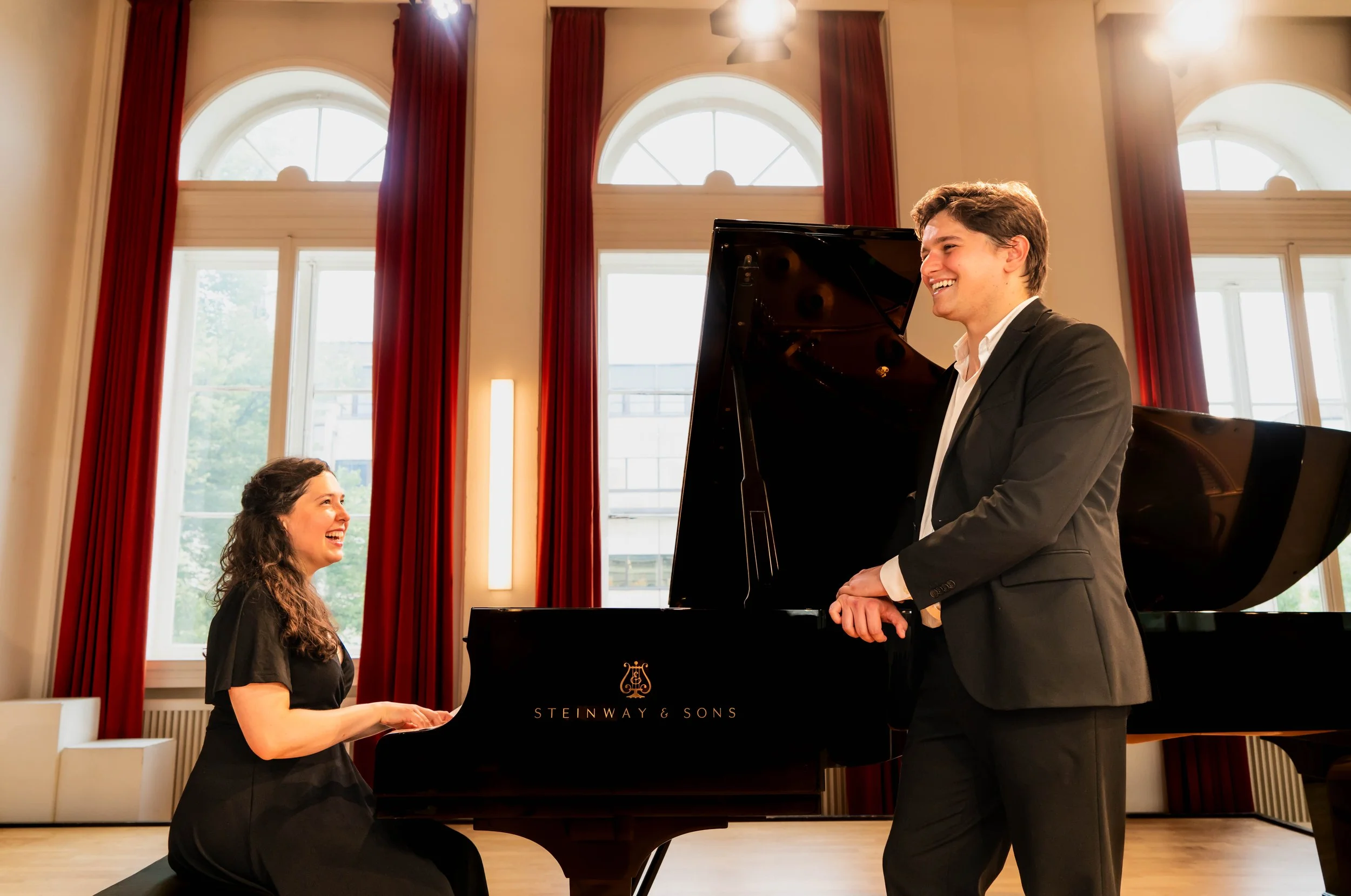
Founded in 2024, the Duo characterised by its spontaneity and exuberant energy is the result of an artistic and friendly collaboration between Francisco Henriques and the french pianist Gretel Jazeron. Fuelled by their shared passion for chamber music, they met during their studies and cemented a genuine bond through the preparation of a wide range of repertoire such as Beethoven’s 9th sonata Op.47 and Vaughan Williams’s “Songs of Travel” cycle.
They were awarded the first prize at the competition Hochschulpreis Musik 2024 in HfK Bremen.
Having performed in a variety of venues both in Germany and in France, the Duo is searching for concert opportunities and would be thrilled to take your proposition into advisement. Whether on a theatre stage or in your own private living room, once provided a functional piano Francisco and Gretel are happy to perform.
By clicking the following link you may find two programmes that the ensemble have already prepared. Naturally, your own proposals are also welcome!
Solistenchor Bremen
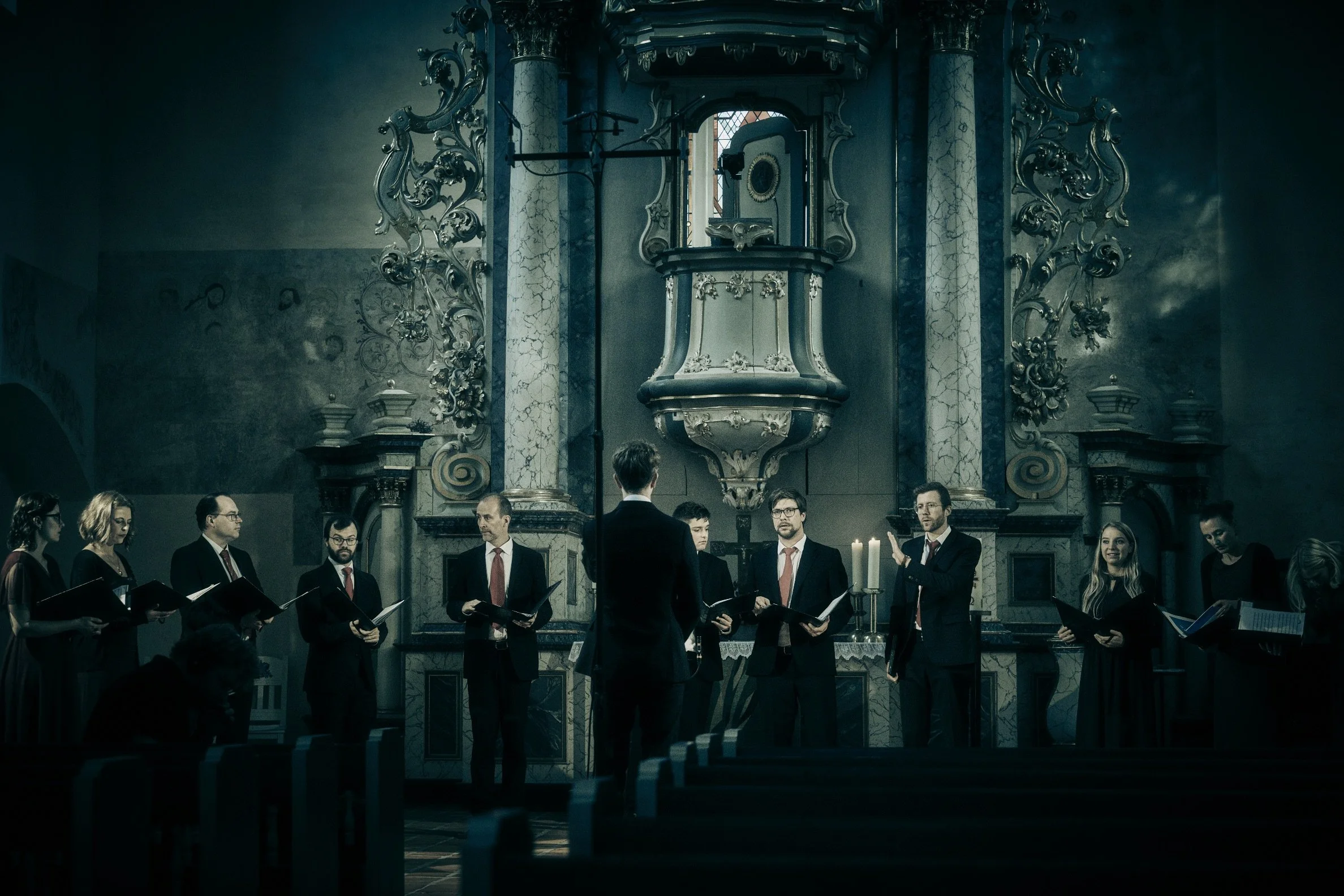
Francisco Henriques is a singer and founding member of the Solistenchor Bremen (Soloists’ Choir Bremen), a professional vocal ensemble of 14–18 singers dedicated to both contemporary repertoire and Renaissance polyphony. The ensemble brings together diverse a cappella genres with expressive singing, refined dynamics, and a high level of vocal artistry, allowing individual voices to flourish within a unified sound.
All members are internationally active soloists and ensemble singers. A central focus lies in the commissioning of new works, including premieres by composers such as Steven Heelein, Jan Sandström, and Therese Ulvo.
Founded by Swedish-Norwegian conductor Johannes Liedbergius and inspired by the traditions of Scandinavian radio choirs, the Solistenchor Bremen is rapidly establishing itself as a distinctive voice in the European choral landscape.
Knabenchor Unser Lieben Frauen Bremen
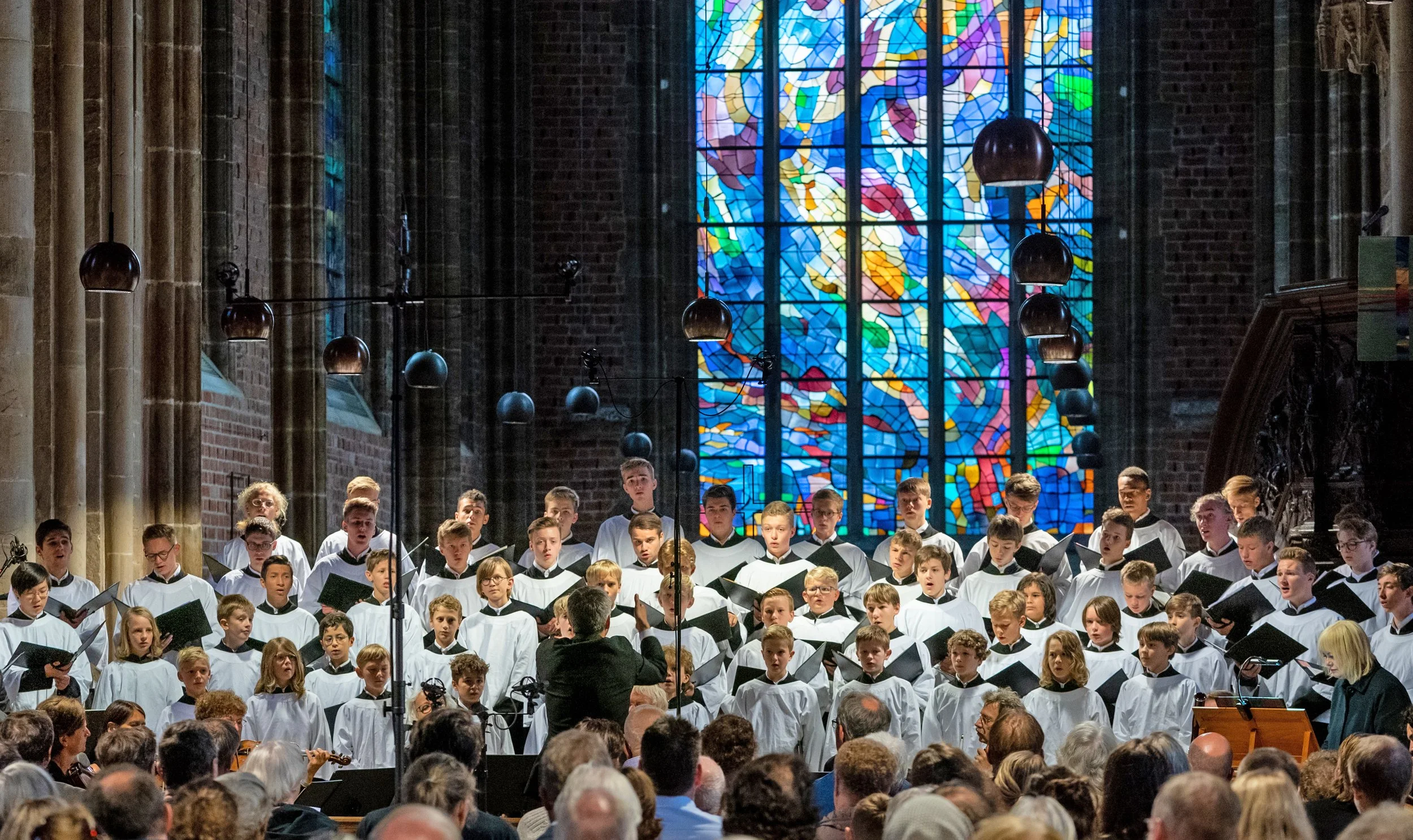
Francisco Henriques works as a voice coach to the boy’s choir of the Unser Lieben Frauen church in Bremen. Given his own experience as a former boy-soprano, working with these children has been a tremendously gratifying experience.
In addition to preparing the boys individually for numerous concerts occasions, he often has the pleasure of taking part and supporting the vocal ensemble as a bass soloist or as a violinist at the “Laudate, Cantate” orchestra.
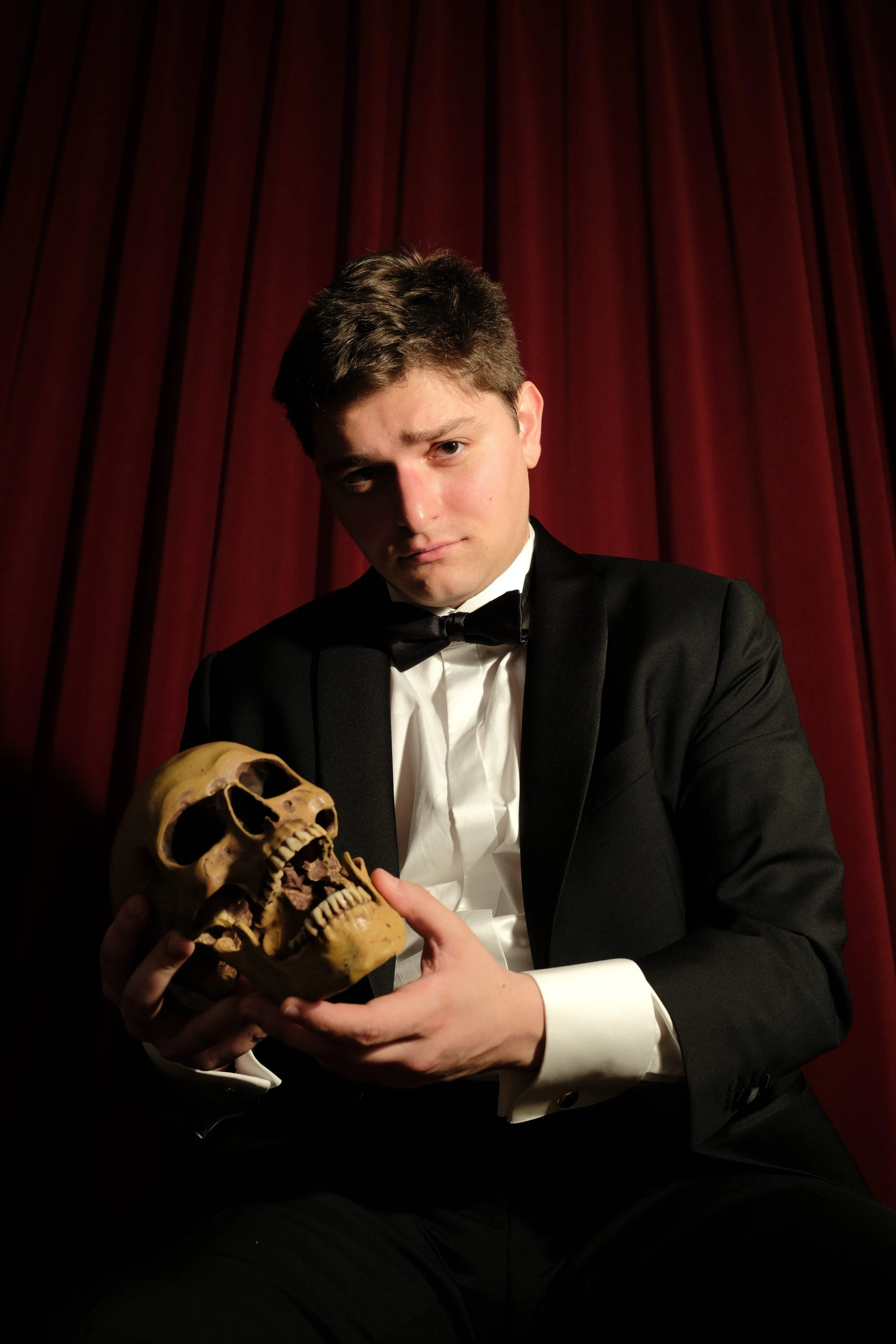
Death and the Flea
A heavy but perhaps necessary song recital programme brought to you by Francisco Henriques and Ilya Kulikov:
Death. Few concepts in human language are as open to interpretation as death. It is an illusory idea that constantly precedes us and mocks us with the promise of something undefined. Upon its arrival, it enchants us into total silence, unable to tell tales of itself. For many, death is a path to a new stage of existence, a judge that grants us an eternity enshrouded in mystery. Others see it as an independent entity that walks invisible among us, judging our every action with sharp cynicism. For some, it has no meaning at all, a capricious switch that simply robs us of all meaning.
Historically, few creatures, with the sad exception of humanity itself, have had such a close relationship with death as the flea. Through the spread of the bubonic plague, death has, over the years, employed the services of the flea to reap an unimaginable number of human lives. It all begins here, with the story of one very lucky flea who seems to have fallen into the good graces of a powerful King. Goethe’s Song of the Flea opens the gateways of our imagination to the contemplation of the fantastic and the proposition of the absurd. It is the first step we invite you to take during our recital about Death, one that we hope will help shed some light on the meaning of Life.
In this musical journey you will be presented with a series of events related to the passing of separate people. Fernando Pessoa’s “Menino da sua Mãe” brought to song by the artistry of Fernando Lopes Graça is a tragic introspection upon the discovery of the body of a young soldier. Mussorgsky’s “Songs and Dances of Death” are a collection of episodes where Death manifests itself in the real world. One is then able to observe how it goes about its ultimate function of taking us to the afterlife. We return to the music of Lopes Graça, this time on the texts of the Nobel prize-winner José Saramago. The “Tríptico de Dom João no Inferno” is a three-part cycle depicting a wealthy Portuguese king who finds himself in hell tormented by the consequences of his sinful life. Hell is not known to be a place from which redemption stories come in abundance; this musical piece shows us a very degrading and provocative allusion to the dangers of leading an egotistical and hedonistic life.
It is at this low point, surrounded by the walls of hell itself that Johannes Brahms graces us with his “Vier ernste Gesänge”, a cycle he wrote and dedicated shortly after the passing of his dear friend Clara Schumann. The biblical texts chosen by Brahms for this cycle offer us a very grounded, fair and optimistic view on Death and speaks of a truth that we hope you will find inspiring.
What can Death teach us? Is it a force for evil? How can we come to terms with it in this life? These are some of the questions you might ask yourself during this recital.
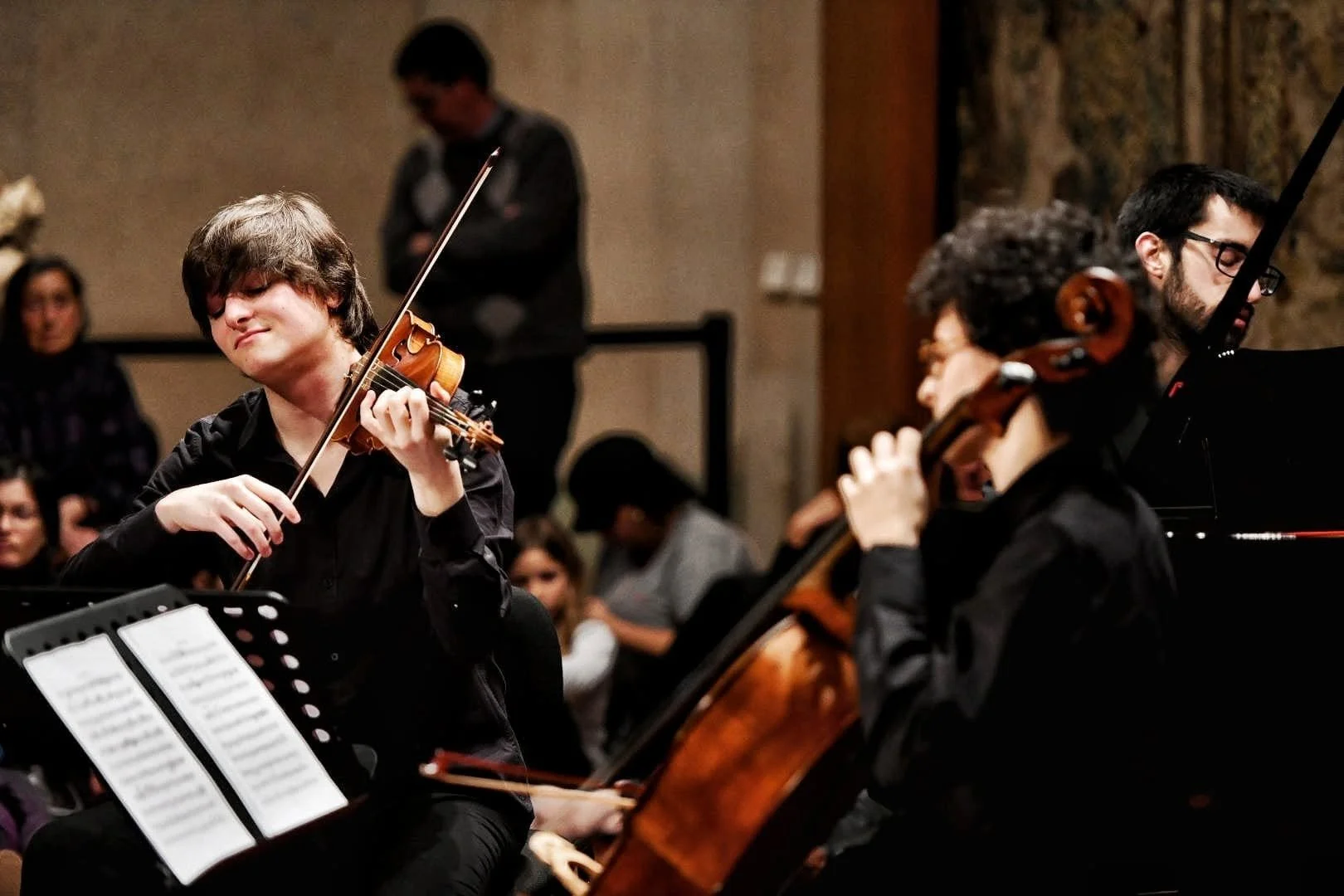
Trio Adamastor
Although separated by half a continent, Francisco Henriques, Pedro Massarrão and José Pedro Ribeiro eagerly await the chance to play together again.
Having met in Lisbon, the three members of the Trio Adamastor quickly discovered that they share an uncommon musical connection and an unwavering need to express it. The three very particular and not always joint musical sensibilities formed a crucible held together by each others’ reliance on their shared musical depth. From it rose several renditions of some of the most remarkable works for Piano Trio. These were distinguished by their youthful strength and honest expression.
In the category of chamber music senior level, they were awarded in 2017 the first prize at the Jovens Músicos competion, arguably the most renowned music competition in the country. This achievement launched 3 years of numerous prospects for the group to grow. Ample recital opportunities, a CD recording and performances of Beethoven’s Triple Concerto with two different orchestras were some examples of such opportunities.