If you are looking for quick and easy information on Francisco’s professional undertakings, try the following links:
If you are searching for a more detailed outlook into Francisco’s artistic development, you are warmly invited to read the paragraphs below:
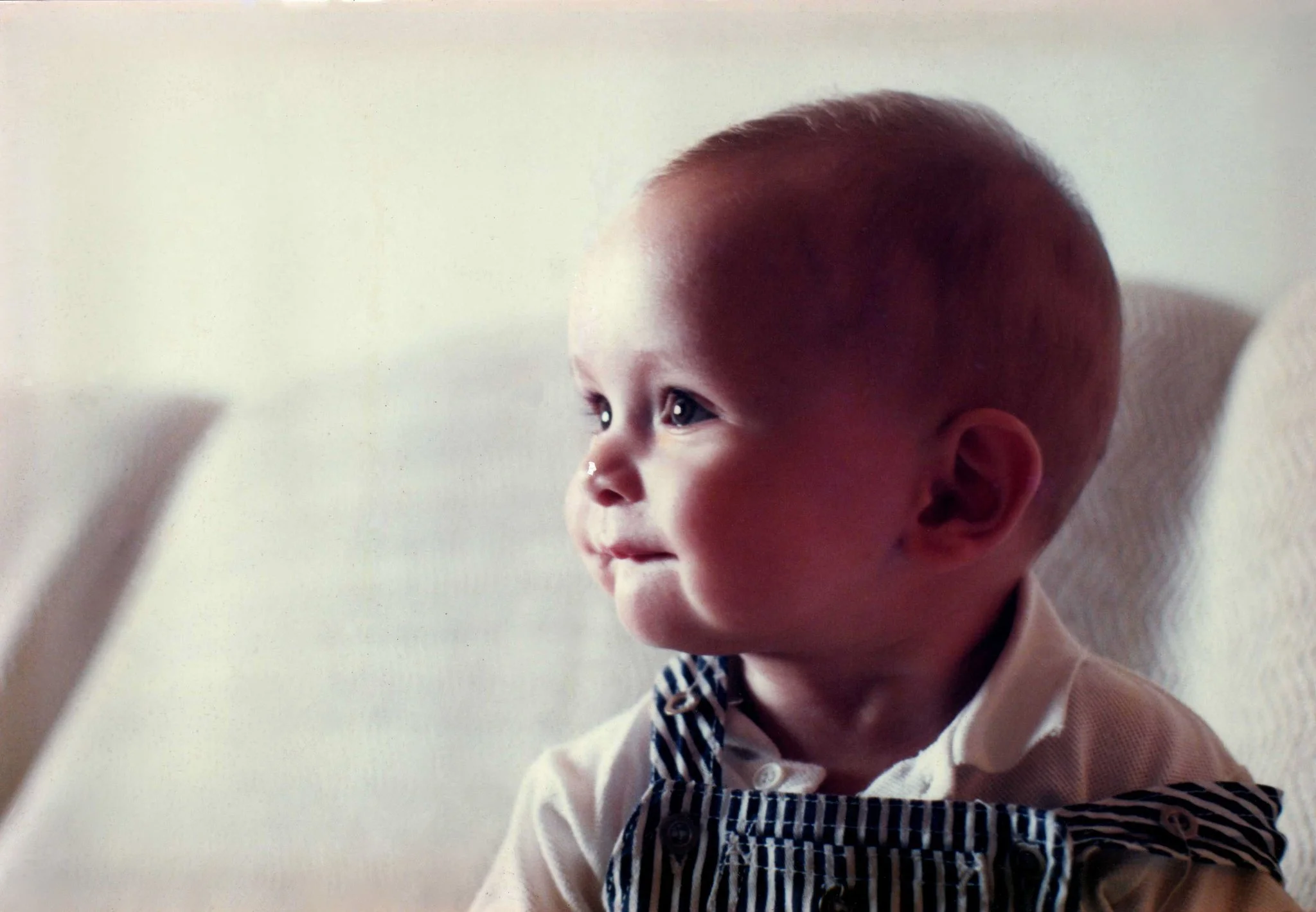
Early Studies
Francisco Henriques was born in Lisbon to Miguel Henriques and Ana Valente. Both pianists, there was little to no escape from music’s enchantment. The father, concert pianist and university teacher, would spend most of his waking hours bashing away at his piano in the office. The mother, teacher at the National Conservatory, would often have to take little Francisco to class concerts and sit him down in the audience to his rather visible frustration. It should come as no surprise that upon being inquired on which instrument he would like to learn his answer was: “NOT piano”
“Rather the violin…. You don’t have to learn as many notes!” he said referring to the violin’s 4 strings in opposition to the piano’s 88 keys. At the age of 5 he started violin lessons with Marylin C. Brito and later joined the class of Gareguin Aroutiounian at the Academia de Amadores de Música de Lisboa. Francisco was Gareguin’s pupil until 2014, year on which he regrettably passed away. Albeit short, this relationship was very fruitful not only on a musical but also on a personal level. The teacher was renowned for being a demanding and ruthless master. Looking back, it has become clear to Francisco that he was one of the kindest and warmest people he had known. Above all else, Gareguin was unrelenting on his love not only for the violin but for all music. His focus on works by Bach, Mozart and Beethoven instead of the more violinistic composers such as Wieniawski and Paganini made evident the main pillar of his pedagogical method: Music in itself, is the greatest teacher. Despite the ever-present scales and Kreutzer exercises, one had to learn “great music” and not necessarily just “great music for the violin”. At the age of 15, Francisco had his violin solo debut with the Musart Chamber Orchestra playing the first movement of Mozart’s violin concerto in D major in Centro Cultural de Belém.
From a very young age, Francisco also showed a keen interest in singing. Around the age of 10 he joined the Escola de Música do Conservatório Nacional de Lisboa and started his voice studies as a boy soprano with the singer Filomena Amaro. Among other vocal works, he took part on a school production of Pergolesi’s “Stabat Mater” where he was selected to sing the solo “Vidit suum dulcem natum” on several venues around the country. As is typical for male teenagers, a time came for singing to take a backseat. However, during his studies at the Academia de Música de Santa Cecília where he specialized on scientific subjects, he was a permanent member on all the school’s vocal ensembles through which he developed a deep appreciation for choral and chamber music singing.
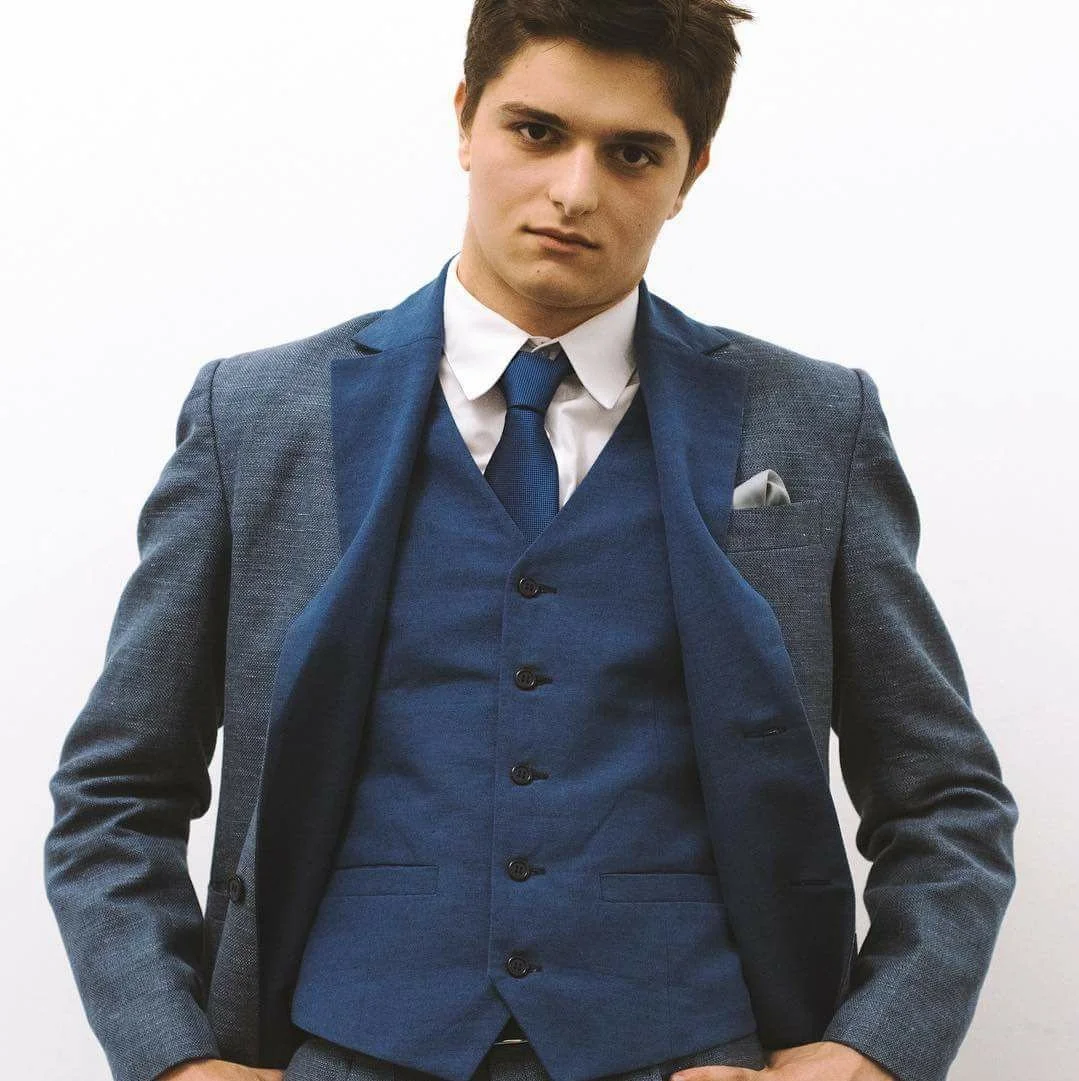
Studies at Escola Superior de Música de Lisboa
In 2014, Francisco was admitted to the Escola Superior de Música de Lisboa. He started his bachelor’s in violin performance with the violinist Bin Chao. One year later he joined Sílvia Mateus’s singing class also as a bachelor’s student. By 2020, he had completed both bachelor’s in modern Violin and classical Singing and a Master’s in Pedagogy with the highest honours.
It quickly became clear to Francisco that the choice between violin and singing was an impossible endeavour. Although the demand for specialists is generally the greatest, he made a great effort to turn his unusually expanded aim into a boon. His first Master’s dissertation was one such example where Francisco’s uncommon perspective was allowed to blossom: “The role of breathing in violin learning and performance: a reflection on the physical, psychological and expressive spheres”. Breathing, often a quickly discarded topic of discussion by violinists, takes central stage in Francisco’s approach to violin practice. The utilization of this tool became essential due to his elevated understanding of the breathing mechanism brought forth by his singing development.
As a soloist on the violin, Francisco was selected to perform on several occasions with the school symphonic orchestra. Notable occasions include the performance of famous romantic violin concerts such as those from Max Bruch, Jean Sibelius and Piotr Tchaikovsky. With the school’s camerata (named after his late teacher, Gareguine Aroutiounian), he was also requested to prepare and play the solo part of several Vivaldi and Bach concerts, as well as some later works such as Arvo Pärt’s “Fratres”.
He dedicated a great deal of his time at the Escola Superior de Música to chamber music. In 6 years of studies, he worked regularly as a member of more than 10 different chamber music groups (in addition to the compulsory orchestral, choral and scenic subjects that he had to take part in). With José Pedro Ribeiro (piano) and Pedro Massarrão (cello) he formed the Trio Adamastor. In the 2017 edition of the Prémio Jovens Músicos, arguably the most relevant music competition to take place in the country, they won the first prize in the category of chamber music senior level. This achievement launched 3 years of numerous prospects for the group to grow. Ample recital opportunities, a CD recording and performances of Beethoven’s Triple Concerto with two different orchestras were some examples of such opportunities.
As a singer he wasn’t any less engaged. The school’s operatic productions were Francisco’s first steps into the opera scene. With the school’s symphonic orchestra and under the direction of Vasco Azevedo, he took on roles such as Leporello (Don Giovanni), Don Alfonso (Cosí Fan Tutte) and Don Bartolo (Barbiere di Siviglia) and sung them in some of the most renowned stages in Lisbon (namely, the Great Hall of the Centro Cultural de Belém). Francisco was also present on most contemporary music projects that the university had to offer. One such production was the premiere in 2017 of “O Jardim”, a short monologue by Tiago Cabrita where he took on the main role of Henry Bilal, a Parisian florist whose main past time was the seduction and posterior murder of his female clients. This piece was reprised multiple times around the capital to very positive acclaim.
During the last two years of his stay in Portugal, he was invited to take on a position as Assistant professor at the school. Other than aiding multiple violin bachelor students, one of the tasks assigned to him was to take on a more active role in the leadership and preparation of the school’s camerata. At the helm of the ensemble’s work, he was to plan and conduct many of its rehearsals. Some of the repertoire prepared during this time included Bach’s orchestral suites and some of Mendelssohn’s string symphonies.
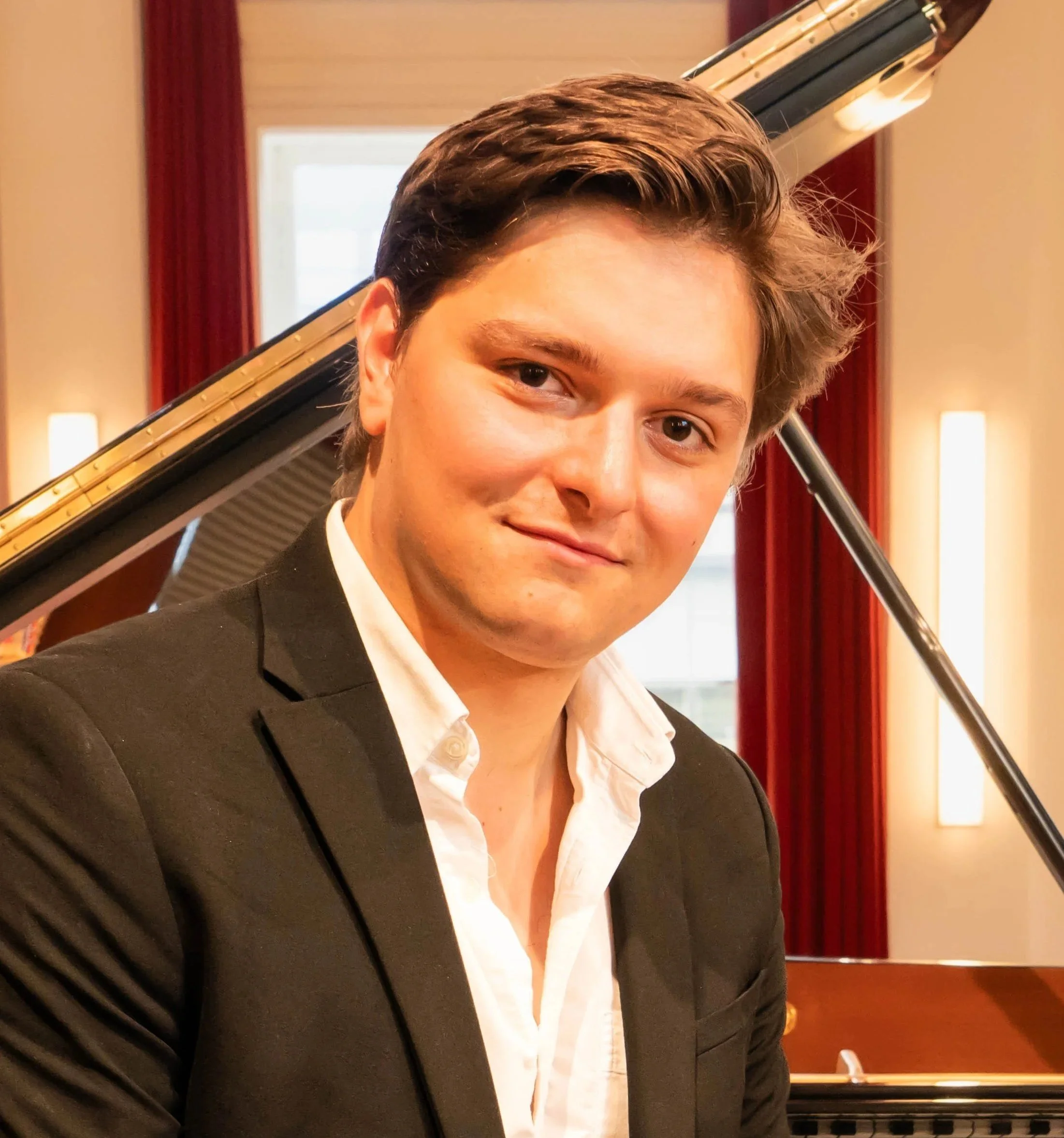
Studies at the Hochschule für Künste Bremen
During his studies in Lisbon, Francisco had very little contact with the “Historically Informed Performance Practice” movement. It wasn’t until the beginning of his first master’s degree that, upon listening to a rehearsal by Giuliano Carmignola who he had the fortune of meeting and working with for a brief period, he would come to recognize and be struck by such a different approach to music making. The lack of spoken dialogue in the decision-making procedure when debating different musical ideas struck him the most. The ease with which a large group of people, all equally active and participant in the creative process, could come to an agreement simply through playing and listening to each other was utterly fascinating. Of course, the different palate of colours and articulations enabled by historical instruments, the distinct tempo choices that transformed previously well-known pieces and unravelled a whole new dimension of musical understanding were also remarkable; but such a tangible strive for profound, sincere and passionate openness in a rehearsal setting felt like a novelty to the creation of truly relevant artistic work.
Searching for this paradigm and after being coached by the violinist Benjamin Chénier for a year, he applied to several early music departments throughout Europe and chose to take up a Master’s position at the Hochschule für Künste Bremen in the baroque violin class of Mechthild Karkow. The year was 2020 meaning that upon arriving in Germany, Francisco was compelled to stay at home due to pandemic regulations. While the virus made his first contact with a brand-new culture feel awkward at best, its timing was rather fortuitous. The isolation meant that he had plenty of time to delve deep into completely new sources, habits and idioms typical to anyone diving into “Early Music” for the first time. As soon as the corona regulations let up, he made an immediate effort to resume his vocal training joining Benno Schachtner’s early music singing class for some time and later applying to a third master’s degree in the modern department with Honorary Professor Krisztina Laki and Professor Thomas Mohr.
Looking back and dumping any remaining restraint of sounding overly sappy, Francisco’s studies in Bremen can be understood as a genuine attempt to return to western music’s roots and experience its evolution over the ages. Most of the repertoire worked on during this time was done in chronological order. His first labour of inquiry was renaissance and early baroque music, namely the Francesco Rognoni diminution school that gave him his first taste at historical improvisation while also serving as great material to pick up and get acquainted with the different violin, bow and subsequent capabilities. The next step was to tackle middle and late baroque repertoire such as all the essential works by Corelli and a return to Johann Sebastian Bach. At last, and the crux of his Violin Master’s final Recital in 2023: the classical period and sonatas from Mozart and Beethoven. This final stretch of his violin studies concluded his academic endeavours into the “Early Music” territory of musical repertoire. The return to more recent repertoire took place during his last singing degree, during which he rediscovered the wonders of opera, concert and song repertoire. In October of 2025, Francisco completed his Singing Master’s final recital focusing on works by Lopes Graça, Mussorgsky and Brahms.
A heartfelt “thank you” to all the people I’ve had the fortune of meeting and learning from:
Nuno Vieira de Almeida, Gareguine Aroutiounian, Jean Aroutiounian, Chiara Banchini, Amandine Beyer, Detlef Bratschke, Marylin C. Brito, Giuliano Carmignola, Bin Chao, Benjamin Chénier, Gabriele Fontana, Michael Fürst, Miguel Henriques, Dietrich Henschel, Mechthild Karkow, Krisztina Laki, David Lefèvre, Paulo Gaio Lima, Sílvia Mateus, Ulrich Messthaller, Thomas Mohr, Levon Mouradian, Petra Müllejans, Tiago Neto, Paulo Pacheco, Elenora Pertz, Olaf Reimers, Deborah Saffery, Luis Olivares Sandoval, Benno Schachtner, Shunske Sato, Mariana Sirbu, Veronika Skuplik, Ana Valente, Francesca Vicari